
Newborn naps, sleep patterns and what to expect in those early weeks.
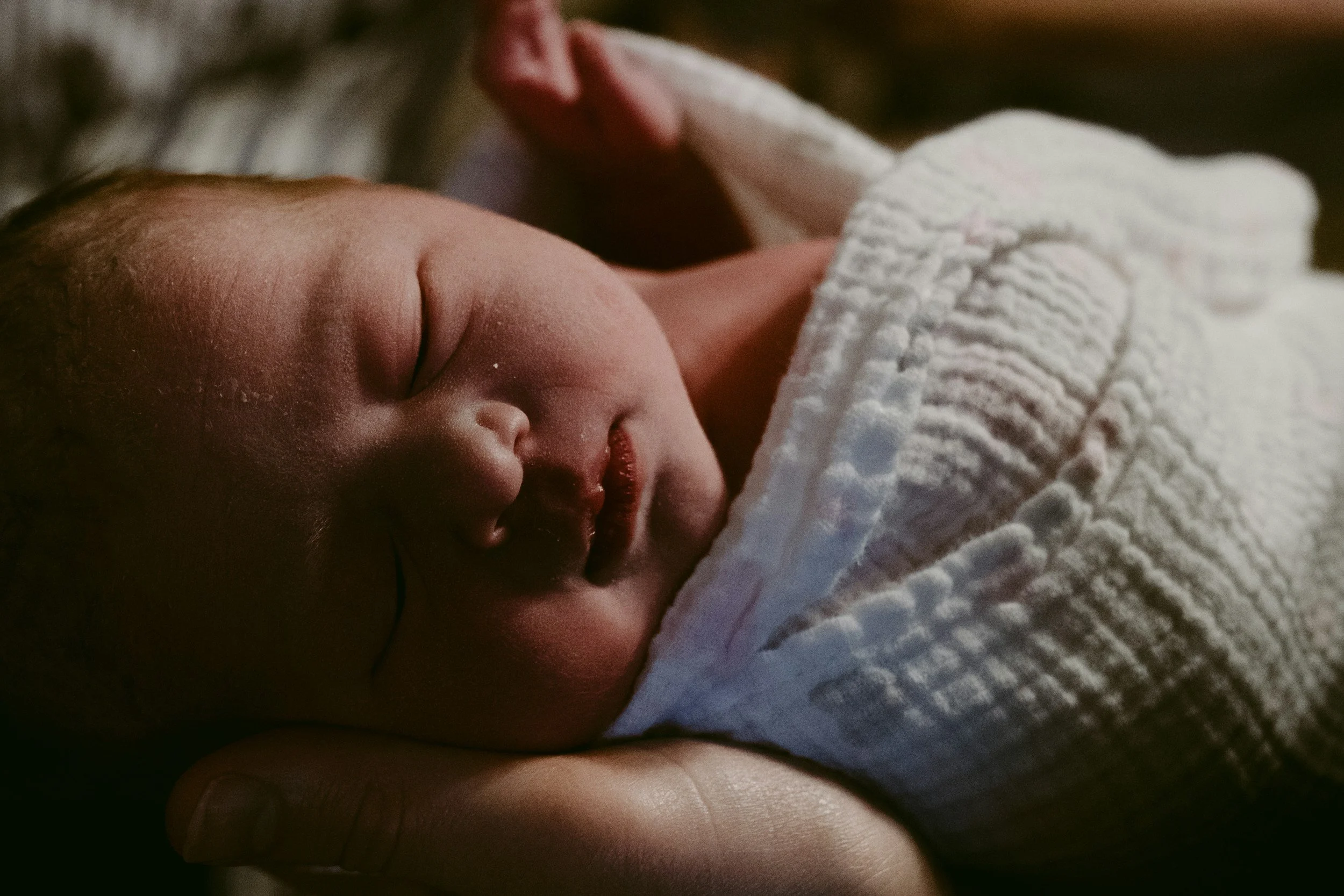
If there's one thing new parents quickly discover, it's that newborn sleep rarely follows a schedule.
One day your baby seems to sleep constantly. The next, they appear determined to stay awake just when you're hoping to catch a few minutes to yourself. Naps can be short, long, unpredictable and sometimes surprisingly difficult to achieve.
So how much daytime sleep does a newborn actually need? How long should naps last? And should you be trying to establish a routine from the very beginning?
The reassuring news is that there's no need to have it all figured out. Newborn sleep is a learning process for both you and your baby.
How much sleep does a newborn need?
Newborn babies need a lot of sleep, but exactly how much varies considerably from one baby to another.
According to the NHS, some newborns may sleep for around 8 hours in a 24-hour period, while others may sleep for as many as 18 hours. Both can be normal.
Unlike adults, newborns don't yet have a developed sense of day and night. Their sleep is spread across the entire 24 hours, with frequent waking for feeds, comfort and nappy changes.
It's also worth remembering that newborns have tiny stomachs and need to feed regularly. Waking during the night is entirely normal and expected.
Rather than worrying about whether your baby is following a particular schedule, look at their overall behaviour, feeding and wellbeing.
How much of that sleep should happen during the day?
There isn't a set amount of daytime sleep that every newborn should achieve.
In the early weeks, babies often spend more time asleep than awake, with naps scattered throughout the day and night.
Some babies will have several longer stretches of sleep, while others seem to wake after what feels like no time at all.
You might find your baby has a lovely long morning nap one day and a succession of short catnaps the next.
This variation is normal. Newborns are still developing their internal body clock, and their sleep patterns will gradually change as they grow.
How long should newborn naps last?
Newborn naps can be surprisingly unpredictable.
A nap might last 20 or 30 minutes, or your baby might sleep for a couple of hours. There isn't one ideal nap length that you need to aim for.
Short naps are particularly common because newborns have immature sleep cycles and may wake easily between them.
If your baby wakes after a short nap, it doesn't necessarily mean they've had insufficient sleep. Equally, a longer nap isn't automatically a sign that they'll sleep better at night.
Try not to get too caught up in the clock. Your baby's overall sleep, feeding and general behaviour are more useful indicators than the length of an individual nap.
Should you wake a newborn from a nap?
This is a question many new parents ask, particularly when their baby seems to be sleeping for hours during the day.
In most cases, you don't need to wake a healthy, thriving newborn simply because they've been asleep for a particular length of time.
However, there can be exceptions.
Your midwife, health visitor or doctor may recommend waking your baby for feeds, particularly if they were born prematurely, have jaundice, are not yet back to their birth weight or have feeding or weight-gain concerns.
Always follow the individual feeding advice you've been given rather than applying a general nap rule.
Why are newborn naps so unpredictable?
There are several reasons why newborn sleep can feel so inconsistent.
1. Their body clock is still developing
Newborns aren't born knowing the difference between daytime and night-time. Their circadian rhythm develops gradually over the first few months.
2. They need frequent feeds
A newborn's small stomach means they need to feed regularly, which naturally interrupts sleep.
3. They're adjusting to the world
After nine months in a warm, familiar environment, there's a lot for a newborn to get used to. Light, noise, movement and new sensations can all affect how easily they settle.
4. Every baby is different
Some babies seem to settle anywhere, while others are much more sensitive to their surroundings. There is no single sleep pattern that every newborn will follow.
Does the sleep environment matter during daytime naps?
Yes. A calm, comfortable environment can help make settling easier, although it won't guarantee a longer nap.
You don't need to recreate night-time conditions every time your baby sleeps during the day. Normal household activity and light can help babies gradually begin to distinguish between day and night. You can read more about this here.
At night, keeping lights low and interactions quiet can help reinforce the difference.
For daytime naps, consider:
Keeping the room comfortably cool and well ventilated.
Avoiding excessive stimulation when your baby is showing signs of tiredness.
Offering a calm, familiar environment.
Looking out for early signs of tiredness, such as yawning, looking away or becoming unsettled.
And remember, a comfortable environment should never come at the expense of safe sleep.
What does safe daytime sleep look like?
Whether it's 2pm or 2am, safer sleep guidance remains the same.
The NHS recommends that babies:
Are always placed on their backs for every sleep.
Sleep in their own clear, flat and firm sleep space.
Have no pillows, duvets, loose bedding, soft toys or other unnecessary items in their sleep space.
Sleep in the same room as a parent or carer for at least the first six months, during the day and at night.
Are kept at a comfortable temperature, without becoming too hot.
Avoid using sofas, armchairs, bouncy chairs or car seats as routine sleep spaces. If your baby falls asleep in a car seat while travelling, take them out when you reach your destination.
You can find more detailed guidance in the NHS's safer sleep advice.
What about naps when you're out and about?
One of the challenges of having a newborn is that life doesn't stop just because it's nap time.
There are family visits, appointments, school runs, shopping trips and the occasional attempt to enjoy a coffee while it's still hot.
It's understandable to want to make getting out of the house a little easier.
Planning ahead can help. Think about where your baby will be able to sleep safely when you're away from home, and make sure any sleep space you use is suitable for unsupervised sleep and follows current safer sleep guidance.
Having a familiar, appropriate sleep space available can make outings feel less daunting and give you a little more flexibility. Read more on this here.
That's the thinking behind DayNapper™: making it easier for parents to bring a dedicated newborn nap space into everyday life, at home and when travelling.
When will my newborn develop a more predictable nap routine?
This is the part many parents look forward to!
As babies grow, their sleep patterns gradually become more organised. Their body clock develops, periods of wakefulness change and some naps may become more predictable.
But there's no magic age when everything suddenly falls into place.
Some babies begin to develop more recognisable patterns within the first few months, while others take longer.
Rather than trying to force a strict schedule in the newborn stage, follow your baby's cues and allow their routine to develop naturally.
If you're concerned about your baby's sleep, feeding or general wellbeing, speak to your health visitor or GP.
The takeaway: follow your baby's lead
Newborn sleep can be unpredictable, and that's perfectly normal.
Some babies nap for long stretches, others catnap throughout the day, and many do a bit of both. There's no need to compare your baby's sleep with another baby's or worry about hitting a particular number of daytime hours.
Focus on feeding, responding to your baby's cues and providing a safe, comfortable sleep environment.
And remember: those early weeks won't last forever. For now, take the naps when they come, enjoy the cuddles and give yourself permission not to have a perfect routine.
Further reading: NHS – Your baby's sleep patterns | NHS – Safer sleep advice
This article is for general information and does not replace individual advice from your midwife, health visitor or healthcare professional.