
From bright days at home to naps on the go, here's what parents should know about light, darkness and creating a comfortable sleep environment for a newborn baby.
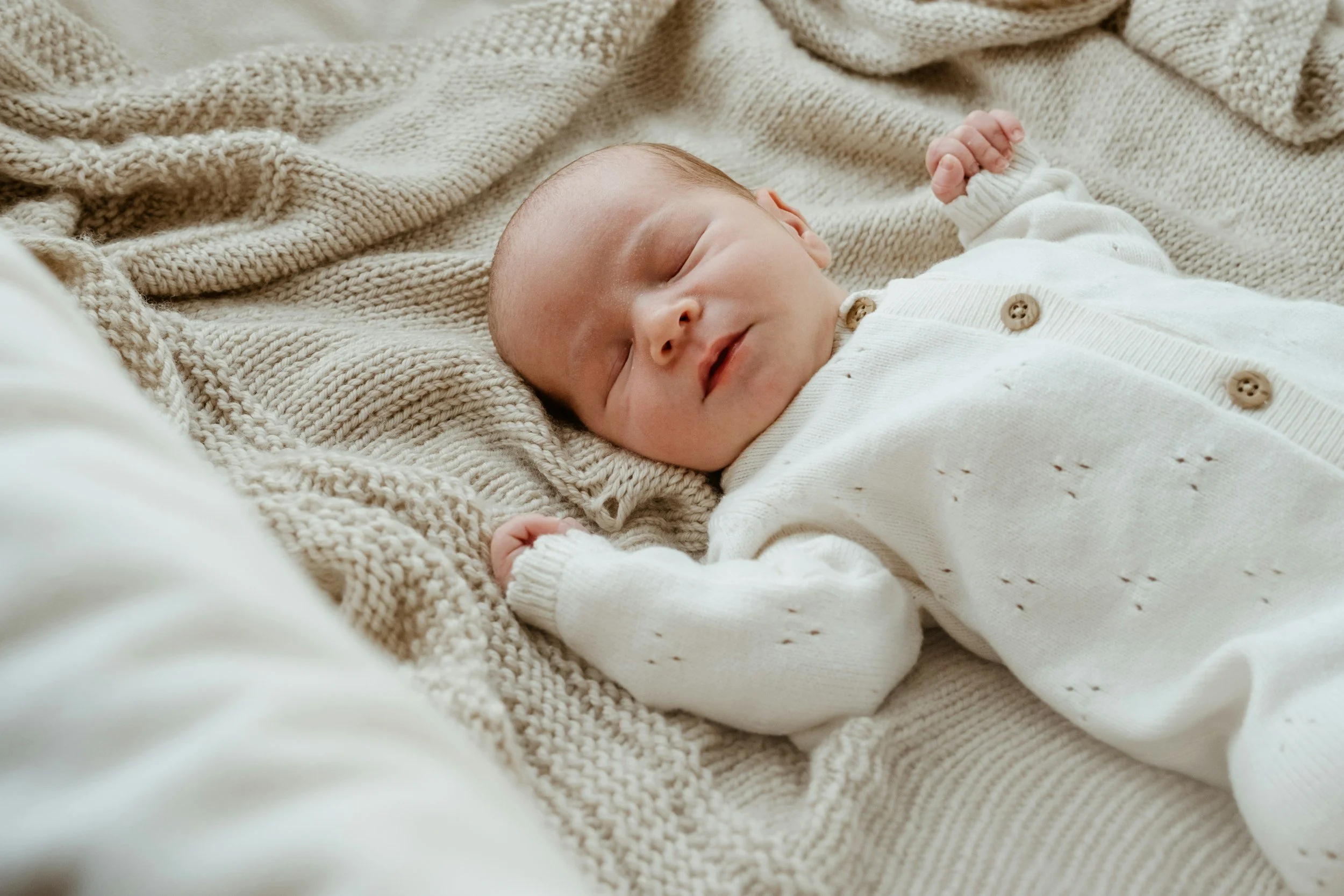
There’s a reason we tend to dim the lights when it’s time for bed. Light helps our bodies distinguish day from night, and it can be a useful cue as babies gradually develop their own sleep patterns.
But does that mean babies need a dark room to nap? And what about when you're out and about, and the world around you is anything but dark and quiet?
The answer is a little more nuanced than you might think.
How does light affect newborn sleep?
Newborns don't arrive with a fully established day-and-night sleep rhythm. In the early weeks, it's normal for them to sleep in short stretches throughout the day and night, waking regularly for feeds.
As babies grow, their sleep patterns gradually change. Light and darkness can help provide cues about the difference between daytime and night-time.
The NHS recommends opening the curtains, interacting with your baby and allowing normal household noise during the day. At night, keeping lights low and interactions quiet can help your baby gradually learn that night-time is different from daytime.
The important thing to remember is that newborn sleep develops over time. Every baby is different, and frequent waking is a normal part of life with a newborn.
What is melatonin, and how does it relate to baby sleep?
Melatonin is a hormone produced by the body that helps regulate our sleep–wake cycle. In older children and adults, melatonin levels typically rise in the evening as it gets darker, helping signal that it's night-time.
But newborns are still developing this internal day-and-night rhythm.
In the first weeks of life, babies do not yet have the mature, regular pattern of melatonin production seen in older children and adults. Their circadian rhythms develop gradually over the first few months, alongside changes in their sleep patterns.
This is one reason light and darkness are worth thinking about when it comes to newborn sleep. Daylight and ordinary activity can help distinguish daytime, while dimmer lighting and quieter interactions at night can provide cues that it's time to wind down.
So, does darkness make a baby produce more melatonin and sleep for longer?
It's not that simple. A darker environment may help reduce visual stimulation for some babies, but it doesn't guarantee that they'll settle more easily or sleep for longer. Newborn sleep is influenced by many factors, including feeding needs and their stage of development.
The aim isn't to force a sleep schedule before a baby is ready. It's to provide gentle, age-appropriate cues as their natural rhythms develop.
Does a dark room help babies nap during the day?
Daytime naps can happen in all sorts of places: at home, at a grandparent's house, in a hotel room or while visiting friends.
You won't always be able to control the lighting, and that's perfectly normal.
If you're at home, you might find that a quieter corner or a room with softer lighting helps create a more settled environment. When you're out, it's worth remembering that babies don't all respond to their surroundings in the same way.
Some will nap through everyday activity; others may be more alert when there's lots to see.
Rather than worrying about making every nap identical, pay attention to your baby's cues and consider what helps them feel comfortable in different environments.
If your baby seems easily distracted by bright light or activity around them, you might find it helpful to consider the surroundings when preparing for a nap. If they happily snooze in a brighter room, there's no need to make every daytime nap pitch-black.
The goal isn't perfect darkness. It's finding an approach that works for your baby while keeping safe sleep at the centre of every nap.
3 things to consider when preparing for a newborn nap
You can't always choose when or where your baby becomes tired. But a few simple considerations can help you prepare.
1. Think about the light
Bright sunlight, changing light levels and lots of visual activity may be distracting for some babies. Consider the environment and whether it seems to affect your little one's ability to settle.
2. Follow your baby's cues
Yawning, looking away or becoming unsettled can sometimes indicate tiredness, although babies communicate in different ways. Get to know your own baby's patterns rather than relying on a rigid timetable.
3. Put safe sleep first
Light level is only one consideration. Follow current safe-sleep guidance, use an appropriate sleep surface, position your baby as directed by that guidance, and ensure their face and airway remain unobstructed. Avoid overheating and follow the instructions for any product you use.
What about naps when you're out and about?
For many parents, one of the challenges of having a newborn is working out how to manage everyday life around feeds, changes and naps.
You might be meeting a friend for coffee, visiting family or travelling away from home. Sometimes the light is bright, the surroundings are unfamiliar and the timing isn't ideal.
You can't make every environment identical to home, but you can think about what you bring with you and how you prepare for your baby's rest. For more on this, see our article How to Get Your Baby to Nap When You’re Out and About
That was part of the thinking behind DayNapper.
The thinking behind DayNapper
DayNapper is a portable newborn nap solution designed with life at home and on the go in mind.
Its blackout hood is designed to create a darker environment, bringing together thoughtful design and practical features for parents on the move.
The lightweight, all-in-one design includes a pull-out mesh feature, a removable, washable cover made from OEKO-TEX® certified cotton, and a firm, flat, water-resistant base.
We know that no product can promise perfect naps, and every baby is different. Our aim is to give parents another thoughtfully designed option to consider when planning life with a newborn.
Curious about DayNapper?
Discover DayNapper and follow our journey on Instagram at @thedaynapper.
Further reading
For evidence-based advice about newborn sleep read the NHS guide:
Helping your baby to sleep — NHS
This article is for general information and does not replace advice from your midwife, health visitor or other healthcare professional.